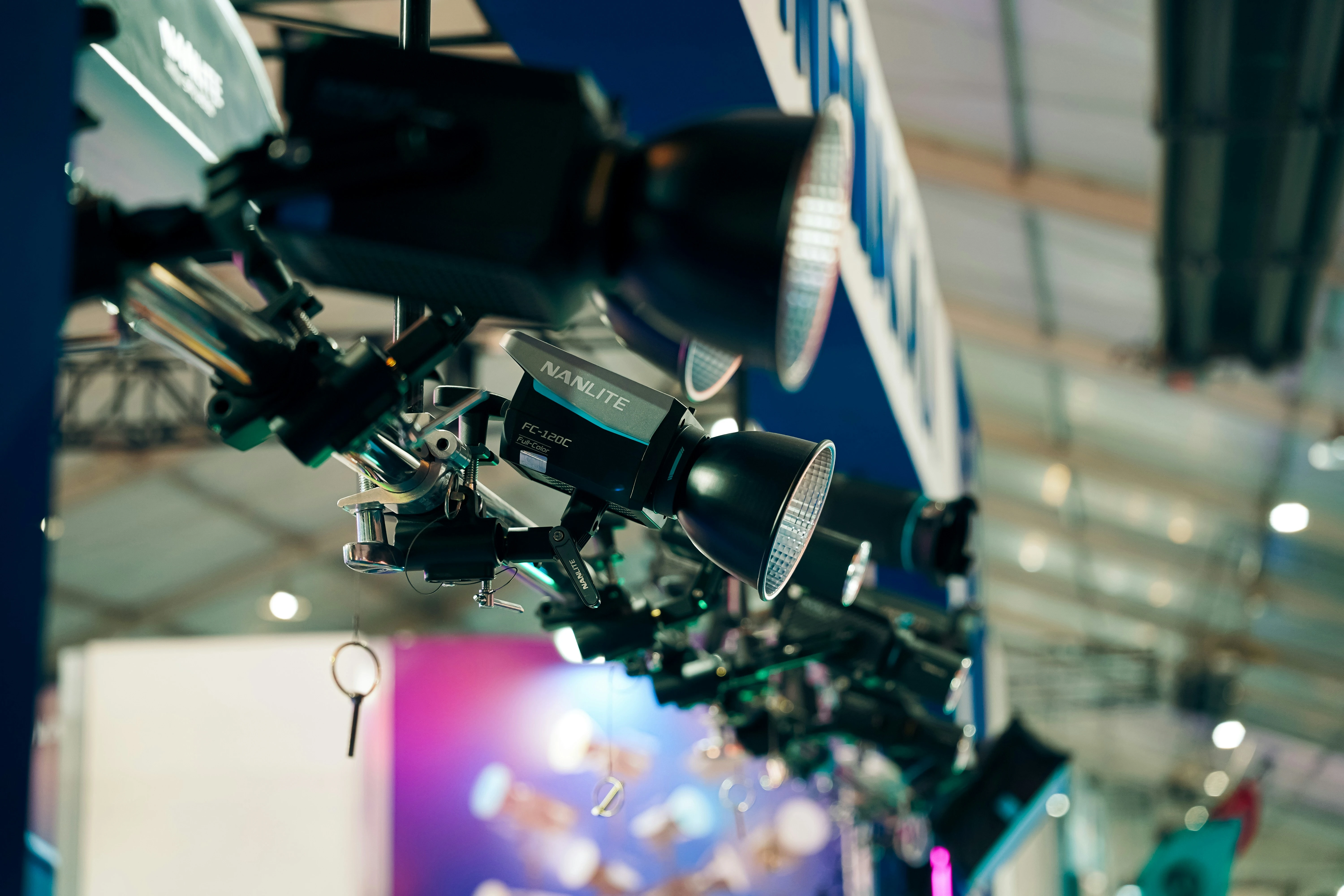
In theatre, live events, and broadcasting, lighting is not just technical infrastructure — it is storytelling. It shapes emotion, directs focus, defines space, and, determines how audiences perceive every detail.
Yet behind every flawless cue and perfectly balanced camera shot is something far less glamorous: systematic maintenance. Lighting teams who treat maintenance as optional eventually discover that neglect is far more expensive than prevention.
Let’s explore what proper maintenance looks like — and what happens when it’s ignored.
Lighting output starts with clean optics
Modern fixtures from manufacturers such as ETC and Robe Lighting are precision optical systems. Dust, haze residue, and airborne particles gradually coat lenses, reflectors, and internal components.
Good practice includes:
Scheduled cleaning of lenses and mirrors
Clearing dust from cooling fans and ventilation paths
Using manufacturer-approved cleaning materials
If neglected:
Light output can drop dramatically
Fixtures overheat due to blocked airflow
LED engines degrade faster
Fan noise becomes audible during quiet performances
Electrical safety is a core responsibility
Lighting departments manage high loads, complex distribution systems, and multiple connection types. Preventative checks on cables, connectors, and dimming systems are critical.
Teams using control and power systems connected to consoles from brands like MA Lighting must ensure signal and power integrity at all times.
Good practice includes:
Regular inspection of power and data cables
Testing connectors and distribution racks
Ensuring proper grounding
Scheduled compliance testing where required
If neglected:
Increased fire risk
Electric shock hazards
Random fixture failures
Show interruptions
Potential legal and insurance consequences
Control systems: invisible but critical
Modern lighting rigs are networked ecosystems. DMX lines, Art-Net or sACN networks, firmware updates, and show files must be actively managed.
Consoles from manufacturers such as Avolites and others require software updates, file backups, and hardware cleaning.
Good practice includes:
Backing up show files regularly
Testing DMX integrity
Documenting IP addressing
Updating firmware in a controlled environment
If neglected:
Flickering or erratic fixture behaviour
Data loss
Compatibility issues between fixtures
Console crashes during live events
Lamp and LED lifecycle management
Discharge lamps have finite lifespans. LEDs degrade over time. Ignoring operating hours and calibration leads to visible inconsistencies.
Good practice includes:
Tracking lamp hours
Proactive replacement before end-of-life failure
Maintaining spare inventory
Calibrating LED fixtures for colour consistency
If neglected:
Lamp explosions in older fixtures
Colour mismatch on stage
Uneven brightness on camera
Emergency mid-show replacements
Mechanical integrity and rigging safety
Moving lights are mechanical systems. They pan, tilt, zoom, focus, and frame with precision. Over time, wear affects movement and stability.
Good practice includes:
Inspecting pan/tilt mechanisms
Checking clamps and safety bonds
Tightening mounting hardware
Listening for unusual motor noise
If neglected:
Noisy fixtures during quiet scenes
Position drift
Misaligned beams
Serious safety hazards if fixtures detach
Storage and transport: the hidden risk zone
Touring productions face additional stress. Poor packing and humidity exposure shorten equipment lifespan significantly.
Good practice includes:
Using proper flight cases
Allowing fixtures to cool before packing
Controlling storage humidity
Securing cables correctly
If neglected:
Cracked lenses
Internal damage
Corrosion
Maintenance is professionalism
Preventive maintenance is not “extra work.” It is part of the craft.
Professional lighting teams maintain documented schedules, log inspections and repairs, assign clear responsibilities, budget for preventative servicing, and treat equipment care as part of production quality.
The audience sees the result of great lighting. They do not see the maintenance log behind it, but we all know it's a critical component of the outcome.